Concrete Pump Parts Knowledge
Concrete Pump Winter Maintenance: Protect the Water Box, Cylinders, and S-Valve
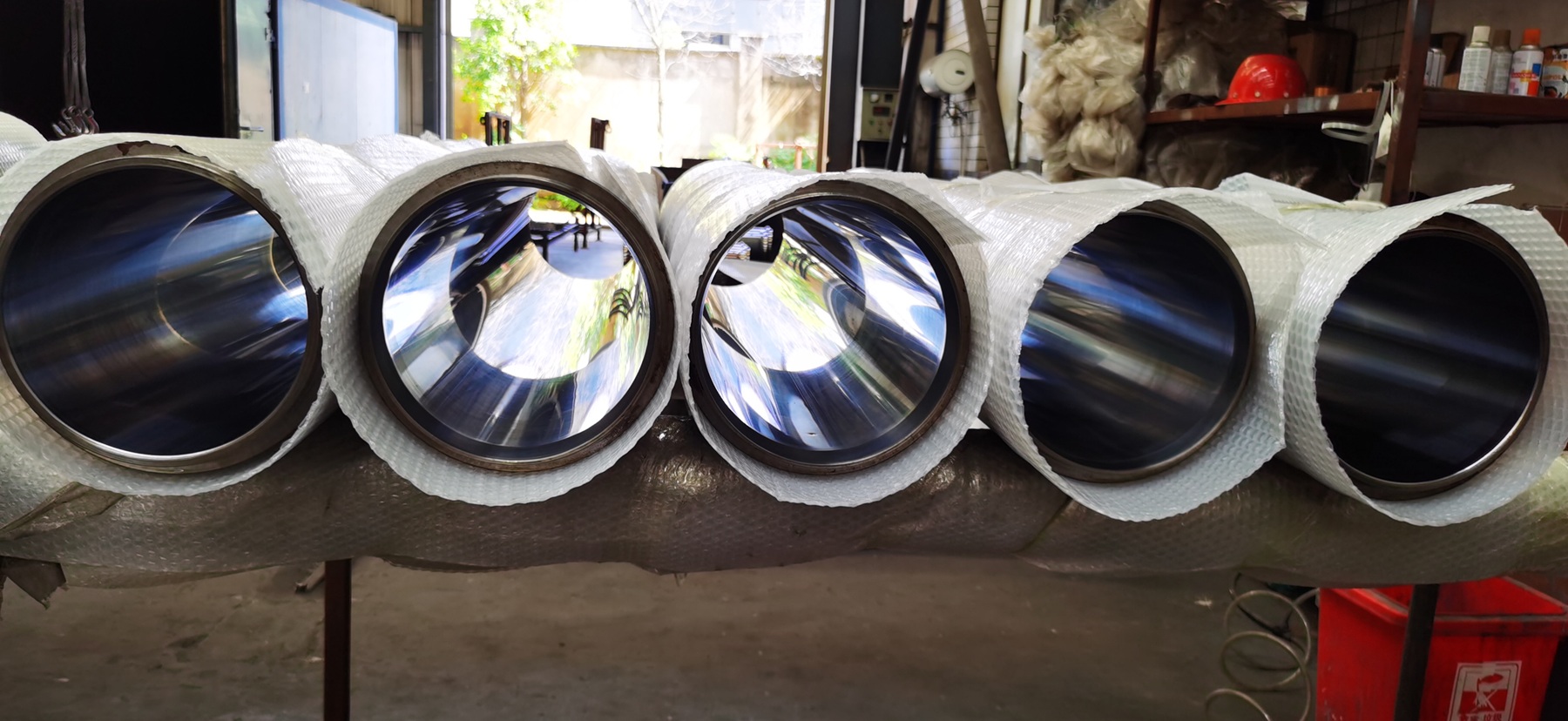
Concrete pump winter maintenance has one controlling principle: prepare water-dependent systems for operation, then remove residual water and concrete before the parked machine can freeze. That means the water box may need to be filled while pumping but drained after shutdown. It also means that cleaning the hopper and pipeline is not enough; water can remain in tanks, wash pumps, hoses, drains, and low points that are easy to overlook.
The exact procedure depends on the pump model and ambient-temperature limits. A cold-weather checklist should therefore identify every water-containing circuit, the approved operating fluid for the water box, the delivery-line plan, the cleaning location, and the inspection required after any suspected freeze. Adding an unspecified antifreeze or simply leaving the engine running is not a substitute for the manufacturer’s instructions.
Why “Winterize the Pump” Is Too Vague
A concrete pump does not have one winterization point. It has several systems with different functions and different risks. The water box supports the delivery-piston and rod area during operation. A separate water tank may supply cleanup equipment. A high-pressure wash pump and its hoses can trap small volumes after they appear empty. The hopper, delivery cylinders, transfer valve, outlet, boom pipeline, and separately laid line may retain concrete, slurry, or wash water.
These locations also fail differently. Ice in a water pump or closed line can damage a housing or fitting. Ice or frozen material around a valve can prevent movement. Concrete frozen in a pipeline stops flow; after thawing, it can resume setting. Standing water and cement residue against a delivery-cylinder bore can also leave corrosion, deposits, or surface damage that shortens piston-cup life.
| Location | Cold-weather concern | What the plan must confirm |
|---|---|---|
| Water box | Ice, blocked drain, or an incorrect operating condition | Required operating medium and level; shutdown drain method; approved antifreeze policy, if any |
| Water tank, wash pump, hoses, and reels | Residual water in pumps, valves, fittings, and low points | All drain points and whether lines must be blown, opened, or stored indoors under the OEM procedure |
| Hopper, delivery cylinders, and S-valve | Frozen or setting concrete; trapped wash water; obstructed movement | Complete cleanout, safe valve position, and post-clean inspection |
| Boom or ground pipeline | Frozen primer or concrete, restriction, blockage, and unsafe pressure response | Preheating or insulation method approved by the owner/OEM, maximum stoppage plan, and safe cleanout location |
| Decks, ladders, clamps, and work area | Wash water becoming ice and reducing footing or grip | Drainage, de-icing, lighting, and cold-weather PPE |
| Hydraulic and engine systems | Slow response, unsuitable viscosity, weak battery, or coolant protection issues | Seasonal fluids, warm-up method, temperature limits, and service checks specified for the machine |
Should the Water Box Be Filled or Drained in Freezing Weather?
Fill the water box for pumping when the operating manual requires it; drain it when the pump is parked and freezing is possible. These are different machine states, not conflicting instructions.
An Alliance Concrete Pumps daily inspection form calls for the water box and water tank to be filled before the job. Its post-job list calls for draining the water box daily and draining the water tank in cold weather when parking outside. A Putzmeister P 715 operating manual similarly instructs users to empty the delivery line, water box, water tank, and water pump when freezing is possible, and to leave the water outlet open until refilling is complete.
The operating medium is model-specific. One OEM may permit a stated antifreeze mixture in a water case, while another may require water during operation and complete draining during shutdown. Do not transfer a fluid recommendation from another machine. Automotive engine coolant, windshield-washer fluid, hydraulic oil, and a water-box medium have different formulations and functions; none should be put into a pump circuit unless the applicable manual expressly permits it.
Build the Cold-Weather Plan Before the Truck Leaves
A useful plan begins with the forecast and the serial-number-specific manuals. Confirm the pump’s minimum operating-temperature limits, any boom restrictions, required hydraulic-oil grade, engine-coolant protection, warm-up sequence, and the status of heaters or cold-weather kits. Avoid universal temperature claims: allowable operation varies with the machine, boom design, fluid, and manufacturer.
Next, define the material and timing plan with the concrete producer and site team. Cold-weather concrete requirements belong to the approved mix design and project quality control. The pump operator should not improvise by adding water, accelerator, or other material at the hopper. Confirm delivery intervals, expected stoppages, primer method, line configuration, and what happens if a truck is late. Practitioner discussions about winter pumping repeatedly focus on frozen material during delays; the professional response is a planned hold/cleanout decision, not an informal rule that applies to every mix and pipeline.
Finally, plan the end of the job before starting it. Identify a lawful washout area with drainage that will not create an ice hazard. Confirm that water supply, hoses, cleaning balls, catch containers, lighting, and de-icing materials will still be available after the pour. If the pump must return to a heated shop for final draining, decide which systems can safely remain wet during travel and which cannot.
Cold Startup: Prove the Machine Is Free, Not Merely Warm
Do not command a frozen pump component to move in order to discover whether it is frozen. Ice or hardened residue can restrain an S-valve, piston, water pump, drain, or line while the hydraulic system continues to develop force. The resulting symptom may resemble a hydraulic fault, but cycling against an obstruction can create secondary damage.
Before startup, walk around the machine and inspect water-system drains, hoses, exposed rods, hopper components, outlet, clamps, pipe supports, and accessible valve areas. Look for bulged fittings, displaced plugs, cracked housings, new leaks, ice, and residue. Verify that any systems intentionally left open have been correctly closed or configured for service. Refill the water box and tank only as the operating manual specifies.
Warm the engine and hydraulic system using the OEM sequence. Cold oil can change response time and pressure loss, so a slow valve shift immediately after start is not proof that a Concrete Pump Slewing Cylinder needs replacement. Compare movement after the specified warm-up, while watching for directional asymmetry, leakage, abnormal noise, or an actuator that reaches one end position but not the other.
Prime the delivery line using the approved method and verify an open, controlled discharge path. A cold pipe can remove heat from primer and concrete, especially during a delay. Insulation or preheating may be useful in some operations, but the method must not introduce exhaust, fire, pressure, or contamination hazards. The line layout and material plan still need to meet the concrete producer’s and pump manufacturer’s requirements.
During the Pour: Manage Stoppages as a Temperature Problem
Keeping concrete moving can reduce the opportunity for material to cool against the pipe wall, but “keep pumping” is not an unlimited instruction. The pump may need to stop for site safety, placing-control, material-quality, or equipment reasons. A winter plan should therefore define who makes the stop/cleanout decision and how the line will be handled if the expected delay is exceeded.
Cold-weather guidance published by For Construction Pros from Schwing America material identifies the hopper, boom pipeline, primer, and separately laid pipeline as freeze-sensitive locations. It also warns that concrete which thaws can begin setting again, making prompt controlled cleanout important. Treat this as a planning issue, not permission to force a restricted line with more pressure.
Track the actual conditions: ambient temperature, wind exposure, arrival gaps, pipe temperature if the company procedure includes it, mix identification, pressure behavior, and stoppage duration. A change in pumping pressure can indicate cooling or restriction, but it can also come from a different load, line layout, valve-sealing issue, or poor cylinder filling. Do not diagnose a frozen line from one gauge value alone.
A Cold-Weather Shutdown Sequence
The machine-specific manual controls the steps, but the logic should move from concrete removal to water removal and then protection:
- Clear concrete using the approved method. Clean the delivery line, hopper, outlet, valve passage, and delivery-cylinder area before material can freeze or set. Follow the OEM pressure-relief and stored-energy procedures; never open a clamp to test whether a line is clear.
- Inspect the concrete end. With the machine isolated as required, check the hopper, wear surfaces, valve opening, outlet, and visible ends of the material cylinders for retained concrete or cleaning debris.
- Drain every specified water circuit. Use the manual’s drain points for the water box, water tank, water pump, high-pressure washer, hoses, and accessories. A tank reading empty does not prove a pump housing or hose low point is empty.
- Keep required drains or outlets open. The Putzmeister P 715 instruction to leave the water outlet open until refill illustrates why valve position belongs on the checklist. Apply only the configuration stated for the actual model.
- Lubricate and protect. Complete post-clean greasing and protect exposed cylinder rods as specified. Putzmeister’s idle-machine checklist pairs water-box draining with cleaning, greasing, and protection of exposed hydraulic-cylinder rods.
- Control the work area. Remove or treat ice on decks, steps, and around the washout area. Store wet cleaning equipment where it will not freeze into an unusable or unsafe condition.
Can Antifreeze Be Put in a Concrete Pump Water Box?
Only if the exact pump manufacturer permits a specific product, concentration, and procedure. “Antifreeze” is not one interchangeable fluid. The wrong product can be incompatible with seals, contaminate concrete-contact areas, create disposal problems, or conceal the fact that another water circuit remains undrained.
Ask five questions before using it: Which circuit? Which approved fluid? At what concentration? Must it be removed before pumping? How must it be captured or disposed of? If the manual is silent, obtain guidance from the OEM or authorized service organization rather than relying on a marketplace listing or another operator’s practice.
What Should Be Inspected After Suspected Freezing?
If water or concrete may have frozen inside the machine, stop and establish a controlled thaw-and-inspect plan. Do not use hydraulic pressure, flame, impact, or an unapproved heat source to force movement. Keep the delivery line treated as potentially pressurized until the approved procedure proves otherwise.
| Observation after thawing | Possible mechanism | Verification before return to service |
|---|---|---|
| Water leak at a pump, fitting, tank, or hose | Freeze expansion, displaced seal, loose connection, or an unrelated pre-existing defect | Clean, dry, inspect under the OEM procedure, and pressure-test only where specified |
| S-valve will not complete travel | Residual concrete, ice, damaged wear parts, linkage resistance, or hydraulic trouble | Inspect the mechanical path and Concrete Pump S-Valve Assembly interfaces before condemning the actuator |
| Fresh scoring or piston-cup damage | Ice, hardened residue, corrosion, or debris at the piston/bore interface | Inspect both piston cups and map the bore condition of the Concrete Pump Delivery Cylinders |
| New crack, bulge, or flange distortion | Freeze or pressure damage | Remove the affected component from service and obtain an OEM-approved disposition; appearance alone cannot establish pressure capability |
| Abnormal pressure or slow motion only when cold | Fluid viscosity, restriction, weak supply, or component leakage | Use specified warm-up and diagnostic test points; compare hot and cold behavior under controlled conditions |
After frozen concrete has thawed, temperature alone does not establish that it is pumpable. Its setting history, segregation, contamination, and time limits need evaluation under the concrete supplier’s and project quality-control process. The pump must also be cleaned and inspected before receiving another load.
Ordering Parts After Freeze Damage
Do not order a cylinder, valve, water pump, or seal kit from the symptom alone. Record the pump manufacturer, model, serial number, original part number, affected circuit, freeze duration if known, fluid present, component markings, and clear photographs. For a water-system part, include port size and orientation, mounting dimensions, hose connections, pressure rating, and electrical or hydraulic drive details.
For delivery cylinders, preserve the original drawing units and decimal precision. Confirm bore, length, flange pattern, wall construction, surface specification, and interface dimensions. For an S-valve or slewing cylinder, include shaft or pin interfaces, installed lengths, ports, and the condition of adjacent wear parts and linkage. A freeze event can damage more than the first leaking component.
Conclusion
Effective concrete pump winter maintenance separates the operating state from the parked state. Prepare and fill systems as required for pumping; after cleaning, drain every specified water circuit before it can freeze. Plan for material delays, keep temperature limits model-specific, and never use an unapproved antifreeze or force a frozen mechanism with hydraulic power.
If freezing is suspected, thaw under a controlled procedure and inspect the entire affected path—water equipment, hopper, transfer valve, delivery cylinders, piston cups, fittings, and pipeline—before returning the pump to service. That evidence distinguishes a drain or seal problem from structural damage and prevents an emergency parts order from overlooking the root cause.
Technical References
- Putzmeister P 715 operating instructions, cleaning and frost-damage precautions.
- Alliance Concrete Pumps daily inspection form, pre-job filling and post-job draining checks.
- Putzmeister lockdown checklist for concrete pumps, cleaning, draining, lubrication, and rod protection.
- Cold Weather Concrete Pumping Tips, based on Schwing America operating guidance.
- American Concrete Pumping Association: Stay Ahead of Cold-Related Incidents, operator and site hazards in winter conditions.